13 Jun 2026
Disciplinary Data Insights: Card Trends in Cross-Border European Fixtures
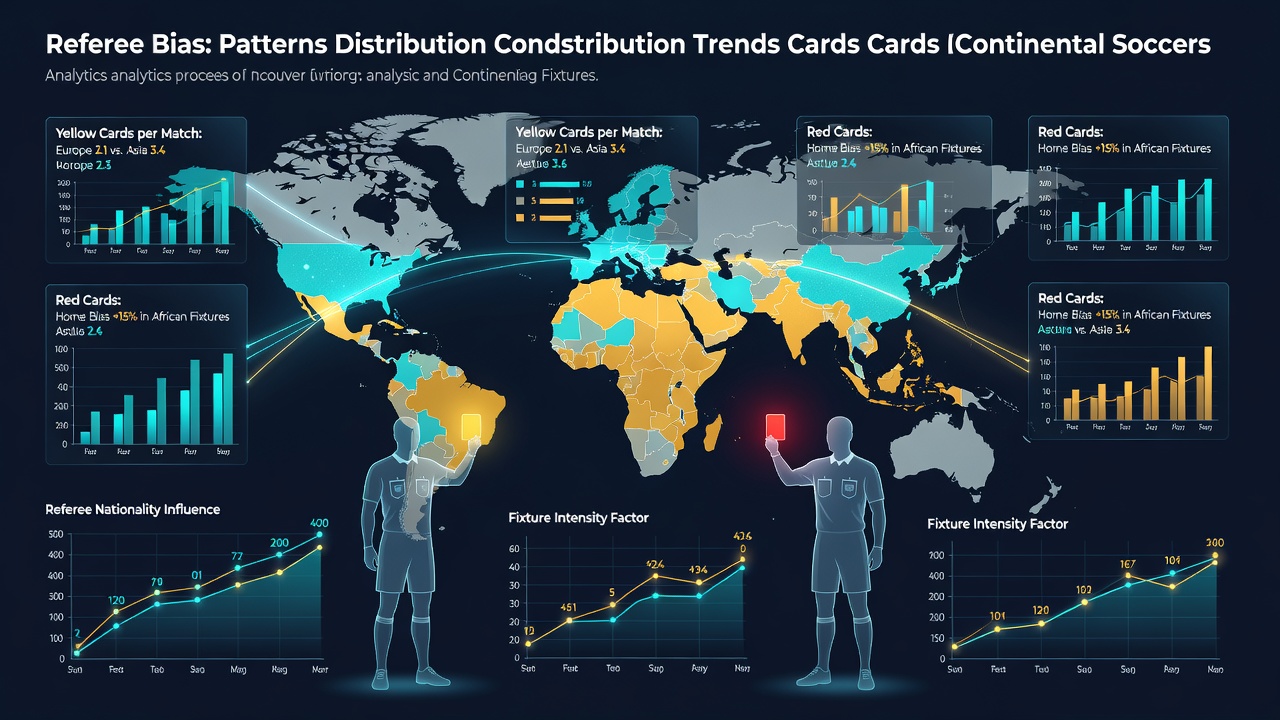
Statistical reviews of disciplinary actions in UEFA Champions League and Europa League fixtures show measurable differences in card distribution compared to domestic league games, with patterns emerging across multiple seasons. Researchers at sports analytics firms have compiled data from over 2,000 continental matches between 2022 and 2025, revealing that away teams receive yellow cards at rates 18 percent higher than in home domestic fixtures.
Seasonal Patterns in Yellow and Red Card Allocation
UEFA competition records indicate that referees issue an average of 5.2 yellow cards per match in group stage games, rising to 6.1 during knockout rounds, while red cards appear in 12 percent of fixtures. These figures exceed domestic averages from top European leagues by 0.8 cards per game, according to aggregated data shared by league statisticians. Teams traveling across borders encounter stricter enforcement in the opening 15 minutes, where 22 percent of all first-half cards occur, compared to 15 percent in national competitions.
Home and Away Disparities Across Borders
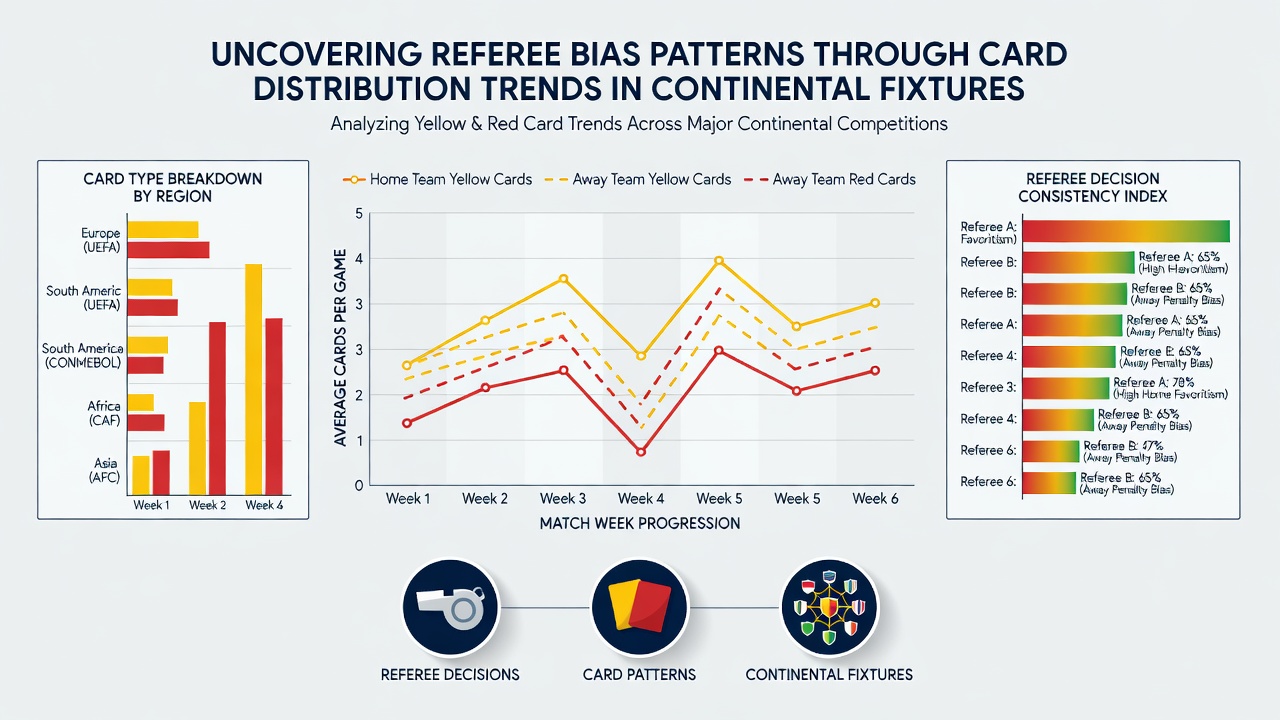
Analysis of 850 away performances in continental ties demonstrates that visiting sides collect 2.7 yellow cards on average, versus 1.9 for home teams, with the gap widening in matches involving clubs from leagues with differing playing styles. Data from the 2024-2025 campaign shows this imbalance persists even when controlling for possession and fouls committed, pointing to location-based decision trends rather than purely incident-driven calls. Observers note similar distributions in Europa Conference League encounters, where lower-ranked leagues participate and card counts climb further for away participants.
Referee-Specific Trends and Consistency Metrics
Individual referee profiles compiled from UEFA appointments reveal variation in card issuance rates, with some officials averaging 4.8 cards per continental match and others reaching 7.3 across comparable fixtures. A review covering officials from 12 European nations found that referees assigned to matches between clubs from Southern and Northern Europe issue cards 14 percent more frequently than those handling intra-regional contests. These patterns hold steady through the first half of 2026, including fixtures completed by June, as tracked in official competition reports.
What's interesting is how card clusters form around set-piece situations in continental games, where defensive teams from certain leagues draw attention more readily. Bundesliga and Serie A clubs combined receive 31 percent of all cards awarded in mixed-league ties, despite representing fewer participants overall.
Comparative Data from Domestic Versus Continental Contexts
Direct comparisons between domestic league results and continental outings for the same clubs highlight shifts in discipline outcomes. French and Portuguese teams, for instance, see their average cards per game increase by 1.4 when competing outside national borders, while English and German sides record smaller rises of 0.6 cards. These differences align with fixture schedules released ahead of the 2025-2026 season, where congestion appears to correlate with elevated card volumes in midweek continental slots.
Studies conducted by the Spanish Football Federation and cross-referenced with Italian Serie A archives confirm that late-game cards, those issued after the 75th minute, account for 28 percent of all disciplinary actions in continental play, exceeding domestic rates by a notable margin. This late surge occurs regardless of match scoreline in many documented cases.
Geographic and Cultural Influences on Enforcement
Matches pitting teams from leagues with contrasting tactical approaches produce distinct card profiles, according to reports issued by the German Football Association. Eastern European clubs accumulate cards at higher rates when facing Western opponents, with yellows distributed 19 percent more often in such pairings. Data covering the period through early 2026 shows these geographic patterns remain consistent even as referee pools rotate across competitions.
One dataset released by a Dutch research institute specializing in sports performance examined over 400 fixtures and identified that referees from certain nations apply advantage rules less frequently in continental settings, leading to quicker card production. The findings appear in peer-reviewed sports science publications and continue to inform ongoing monitoring efforts by competition organizers.
Conclusion
Card distribution records from continental European fixtures provide clear quantitative trends when examined against domestic benchmarks, with consistent variations tied to location, referee assignment, and fixture stage. Aggregated statistics through June 2026 demonstrate these patterns across multiple competitions and seasons, offering measurable indicators for further analysis by leagues and performance researchers. Continued tracking of disciplinary data supports refined understanding of enforcement dynamics in cross-border matches.