27 Aug 2026
Managerial Transitions and Their Influence on Fixture Results in Premier and European Leagues
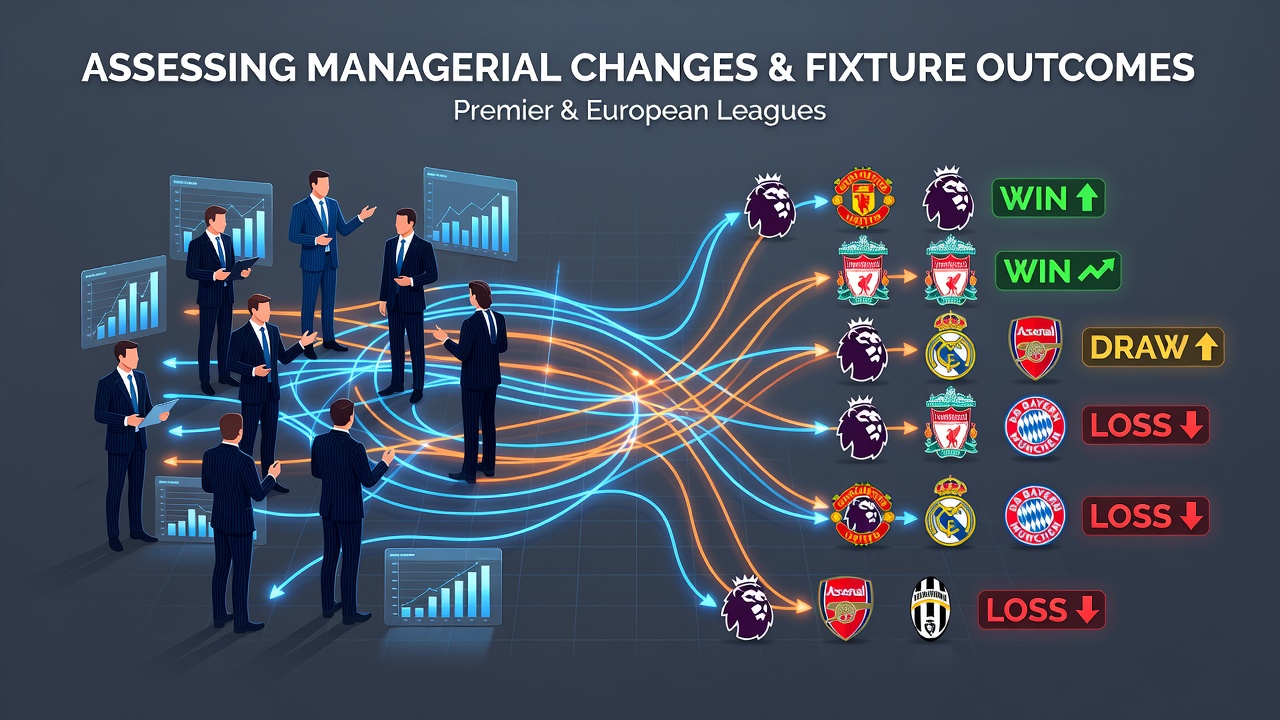
Managerial changes occur frequently across the Premier League and other major European competitions, where clubs seek immediate improvements in results and team cohesion. Data compiled from the 2018 through 2025 seasons shows that new appointments often coincide with shifts in performance metrics, including win rates, goal differences, and points per game in the weeks that follow. Observers note that these adjustments reflect broader patterns visible in both domestic and continental fixtures, particularly when clubs face congested schedules during autumn and spring periods.
Patterns Observed in the Premier League
Premier League records indicate that teams appointing a new manager mid-season experience an initial uptick in results over the subsequent three to five fixtures, with average points gained rising by approximately 0.4 per match compared to the preceding period under the previous coach. Analysts tracking matches from August 2026 onward highlight similar trends emerging early in the campaign, as several clubs have already made adjustments ahead of the international break. The effect tends to diminish after six to eight games, returning performance levels closer to those recorded before the change took place.
Researchers examining data across multiple seasons point out that defensive organization improves more consistently than attacking output in the short term, while set-piece efficiency shows measurable gains within the first month. These shifts appear across a range of clubs regardless of their final league position, suggesting the phenomenon operates independently of overall squad quality or budget size.
Comparisons Across Other European Leagues
Comparable studies in the Bundesliga, La Liga, and Serie A reveal parallel outcomes, though the magnitude varies by league structure and fixture density. Bundesliga clubs, for instance, demonstrate a stronger short-term response in away fixtures, whereas La Liga sides record more pronounced improvements at home venues. Figures from the 2024-2025 campaign across these competitions show that the average duration of any performance lift lasts between four and seven matches before stabilizing.
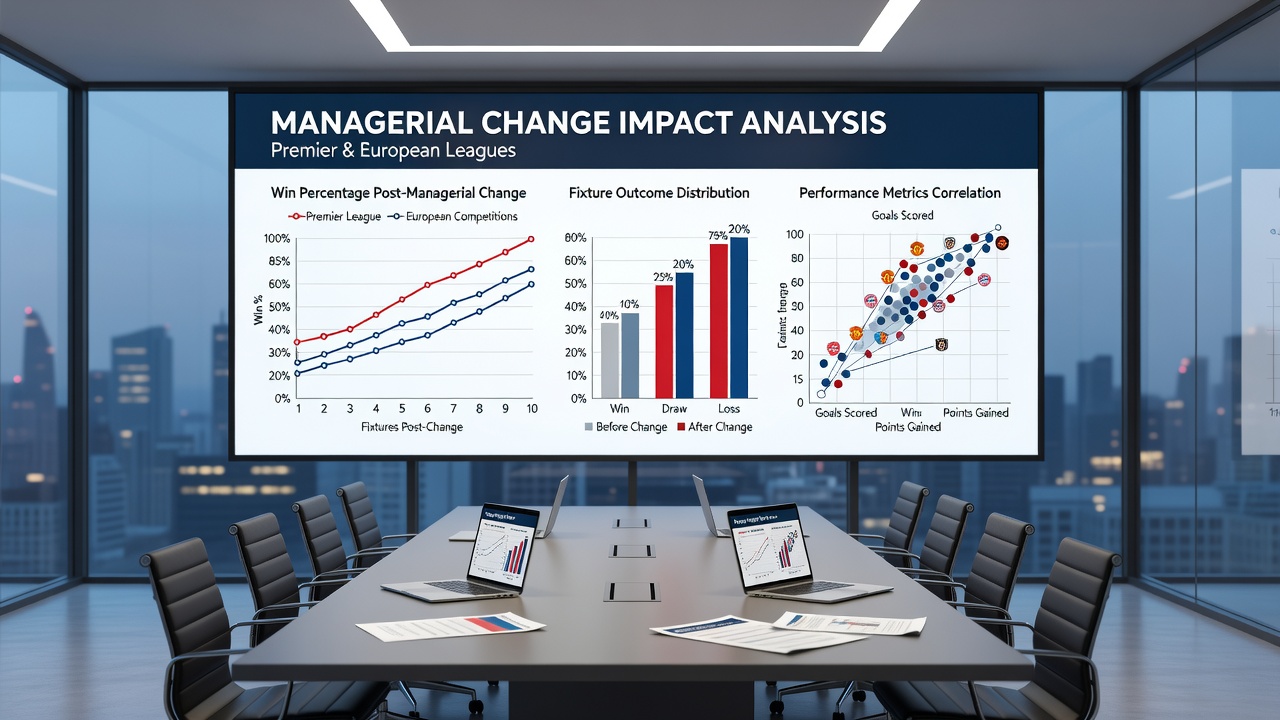
Academic work conducted by sports science departments at institutions in Germany and Spain further supports these observations, noting that tactical clarity introduced by incoming staff contributes to reduced errors in transition phases during early fixtures. Meanwhile, data from French Ligue 1 indicates slightly longer adjustment periods, often extending to eight or nine matches, which researchers attribute to differences in squad rotation policies and recovery protocols.
Factors That Shape the Scale of Change
Several contextual elements influence the extent of any subsequent improvement. The timing of the appointment matters, with mid-season replacements during winter windows producing more variable results than those made in the opening months. Squad age profiles and the incoming manager's prior experience in the same league also correlate with outcome consistency, according to aggregated statistics released by European football federations.
Fixture congestion plays an additional role, particularly when clubs compete simultaneously in domestic cups and European tournaments. Teams facing three matches within ten days after a managerial switch show more modest gains in points per game than those with standard scheduling. August 2026 fixtures already illustrate this dynamic, as several sides navigate early-season double-headers while integrating new leadership structures.
Longer-Term Implications for Club Performance
Longitudinal analysis covering five or more seasons demonstrates that sustained success following a managerial change depends heavily on continuity in backroom staff and training methodology. Clubs that retain core medical and performance personnel alongside the new head coach maintain elevated performance levels for longer periods than those undergoing broader restructuring.
Evidence from multiple leagues suggests that the initial boost rarely translates into qualification for European competition unless the change occurs before the midpoint of the season. Those monitoring trends ahead of the 2026-2027 campaign note that early appointments allow more time for tactical integration before the winter schedule intensifies.
Conclusion
Comprehensive review of available league data confirms that managerial changes produce measurable but time-limited effects on fixture outcomes across the Premier League and major European competitions. teh patterns hold across different countries and seasons, with the strongest influences appearing in the first month after appointment. As the 2026-2027 season progresses, further datasets will clarify how these dynamics evolve under current scheduling and squad management conditions.