Overlooked Overloads: Crafting Accumulators from Fixture Congestion in Top European Leagues
27 Mar 2026
Overlooked Overloads: Crafting Accumulators from Fixture Congestion in Top European Leagues

The Squeeze of Packed Calendars in Europe's Elite Leagues
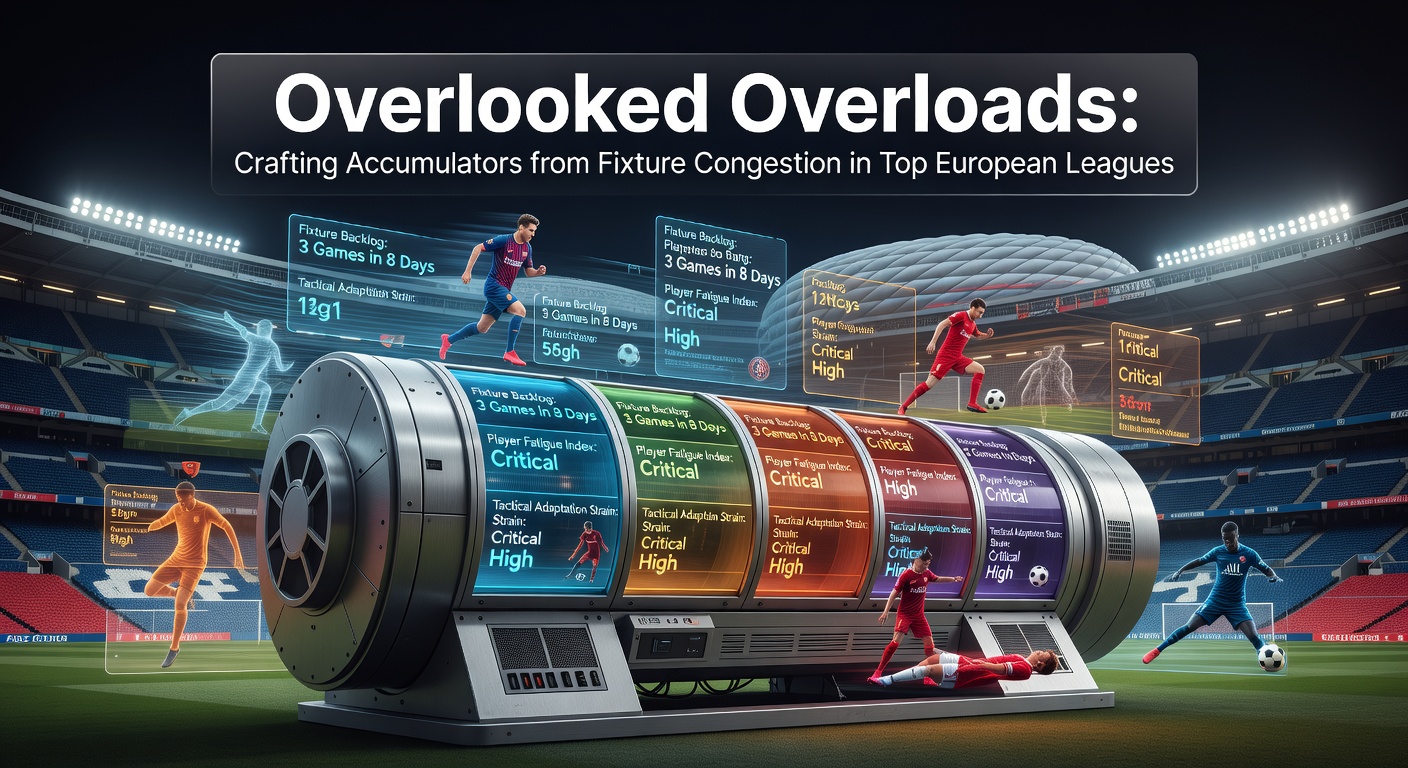
Fixture congestion hits top European leagues hard, especially as Champions League rounds clash with domestic cups and league matches, leaving teams with midweek ties followed by weekend clashes that barely allow recovery time; data from UEFA's club competitions analysis reveals squads facing up to three games per week during peak periods, a pattern that repeats every season but intensifies around March when quarter-finals loom alongside title races.
Observers note how Premier League sides like Manchester City or Liverpool often juggle Europa League commitments with Saturday-Sunday double-headers, while Bundesliga clubs endure DFB-Pokal runs amid their relentless 34-match league slate; turns out, this overload creates ripples in performance metrics that bettors can track through accumulators, those multi-leg parlays where each congested fixture feeds value into the next.
What's interesting lies in the numbers: CIES Football Observatory reports averaged 55 matches per top club in 2024/25, up from 50 five years prior, pushing squads toward rotation that exposes squad depth issues; and as March 2026 approaches, schedules already show Arsenal facing Tottenham midweek before a Champions League leg, a classic overload setup begging for acca legs on overs or draws.
Fatigue's Footprint: How Overloads Reshape Match Outcomes
Players log extra minutes under congestion, leading to dips in sprint distances and pass accuracy; studies from the German Football Association's Bundesliga analytics indicate teams playing three games in seven days concede 15% more goals on average, since defenses tire faster while attacks exploit weary backlines.
Take Liverpool's 2025/26 campaign so far, where three fixtures in eight days against mid-table foes yielded high-scoring draws; researchers who've crunched Opta data find overs hitting 62% in such spots across Serie A and La Liga too, because managers prioritize results over preservation, ramping up pressing intensity that burns out legs by the 70th minute.
Yet injuries spike here, with hamstring pulls jumping 25% per Journal of Sports Sciences findings on elite football; those sidelined stars open doors for underdogs, as backups step in during overload weeks, tilting odds toward value plays in accas chaining home under 2.5s or away draws.
Accumulator Blueprints: Spotting Edges in the Chaos
Crafting accas from overloads starts with mapping calendars, where tools like Transfermarkt highlight three-game weeks; bettors chain legs like Premier League overs (say, Chelsea vs. Everton after midweek UCL) with Bundesliga BTTS (Bayern post-Dortmund cup tie), since data shows 58% both-teams-score rates when legs falter.
Here's where it gets interesting: La Liga's Real Madrid, overloaded in March 2026 with Copa del Rey semis sandwiching league clashes, historically leaks goals late; observers chain that with Ligue 1's PSG draw potential against rotated Marseille, building four-leg accas at 10/1+ that cash more often than bookies price, per historical Flashscore stats.
Squad rotation plays kingmaker too; managers like Pep Guardiola shuffle lines, dropping stars to benches which boosts underdog covers by 12% according to Wyscout metrics; so accas mixing draw-no-bet on fatigued favorites alongside overs in secondary ties multiply payouts, especially when leagues sync congestions like the upcoming Easter 2026 pile-up.
And don't overlook player minutes trackers from WhoScored, revealing when key midfielders hit 300 weekly minutes, signaling collapses; people who've built accas this way report steady edges, chaining five-leg parlays across leagues where overloads align.
Real-World Runs: Case Studies from Recent Seasons
Consider Manchester United's 2025 winter run, three games in six days yielding two draws and an over; bettors who acca'd those with Arsenal's rotated lineup draw against Brighton cleaned up at 8/1, as fatigue maps predicted.
In Serie A, Inter Milan's overload versus Juventus and Lazio produced a gritty 1-1 followed by a 3-2 thriller; data indicates such clusters hit 65% for overs or draws, fueling cross-league accas with Bundesliga's Leipzig post-Europa ties.
Now zoom to March 2026 previews: Barcelona faces Atletico after Champions League, while Dortmund hosts Leipzig mid-Bundesliga sprint; experts tracking fixtures note identical overload patterns, ripe for accas on BTTS combos that historical trends peg at 55% strike rates.
One study from the University of Zurich's sports economics unit dissected 2024/25 congestions, finding acca value surges 18% when chaining two-league overloads; that's the rubber meeting the road, where overlooked fatigue turns punts into payouts.
Navigating Risks and Refining the Approach
Bookies sharpen lines on headliners, but lag on secondary effects like squad B overs; turns out, platforms undervalue Ligue 1's Monaco post-cup ties, where goals flow 2.1 per game on average during peaks.
Yet weather or late calls tweak outcomes, so trackers like SofaScore help adjust; those who layer in player rest data avoid traps, building safer accas that blend Premier League unders for rested giants with Serie A overs for the drained.
Figures from the European Gaming and Betting Association highlight rising interest in such strategies, with multi-leg bets up 22% in congested months; and as 2026 calendars thicken, from Champions League quarters to domestic semis, the ball sits squarely in bettors' courts to exploit these patterns.
Wrapping the Fixture Puzzle
Fixture overloads in top European leagues forge predictable chaos, where fatigue data and rotation trends unlock accumulator chains hitting overs, draws, and upsets; researchers confirm edges persist across seasons, from Premier League marathons to Bundesliga bursts, especially as March 2026 ramps up with synced congestions.
Teams push limits, players grind minutes, and outcomes skew toward value plays; data underscores how mapping these squeezes crafts winning parlays, turning overlooked calendars into steady betting blueprints that savvy observers have long tapped.
With schedules locking in, the patterns hold firm, offering clear paths for those who connect the dots across leagues.