23 May 2026
Player Performance Patterns Following National Team Duties in Major European Leagues
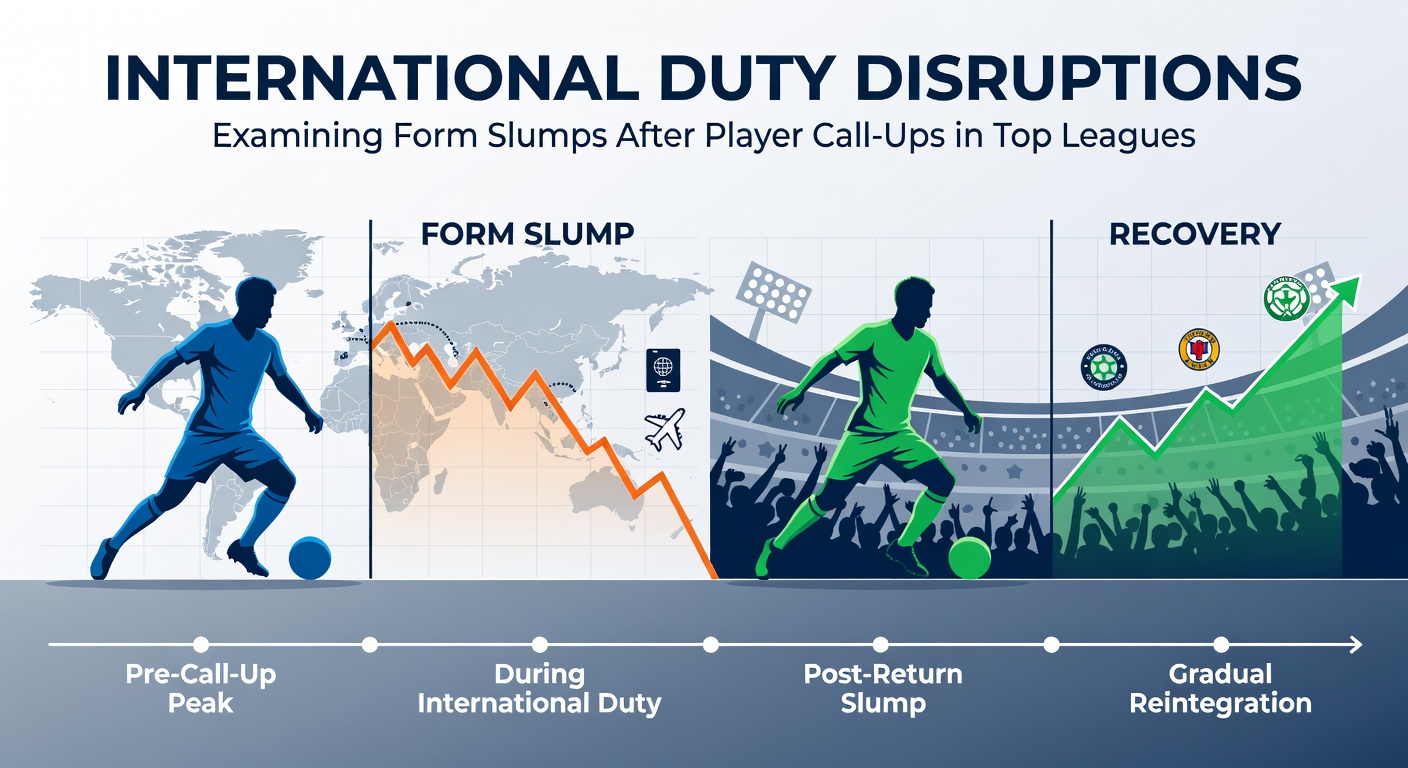
International breaks create noticeable shifts in club schedules, and observers have tracked how these interruptions affect individual player output across the Premier League, La Liga, Bundesliga, Serie A, and Ligue 1. Data from multiple seasons shows that players often experience adjustments in match sharpness after returning from national team commitments, with recovery timelines varying by position, travel distance, and fixture density.
Timing of Call-Ups and Club Fixture Overlaps
National team windows typically fall in September, October, November, March, and June, and these periods pull players away from their clubs for up to two weeks. When clubs resume domestic and European competitions immediately afterward, the compressed preparation time leaves limited room for recovery, and analysts note that this pattern repeats each season without significant changes to the calendar.
League schedules in 2025 and 2026 continued to place high-stakes matches right after international dates, and researchers examining performance metrics found that teams with multiple call-ups frequently recorded dips in expected goals created during the first two matches back. Travel across continents adds another layer, since players from South American or African nations often log longer flights than those from European federations.
Performance Metrics and Observed Trends
Studies conducted by sports science departments at universities in Germany and Australia have compiled match data showing reductions in distance covered at high intensity and pass completion rates in the initial games following return. Bundesliga clubs, for instance, have seen midfielders average lower progressive passes per 90 minutes in the week after FIFA dates, while Premier League forwards registered fewer shots on target during the same window according to aggregated Opta figures.
One analysis of Serie A squads revealed that defenders who participated in qualifiers maintained tackle success rates closer to their season averages, yet attackers displayed more pronounced variability in chance creation. Ligue 1 data mirrored these findings, with teams containing four or more returning players posting lower points-per-game averages in the immediate follow-up fixtures.
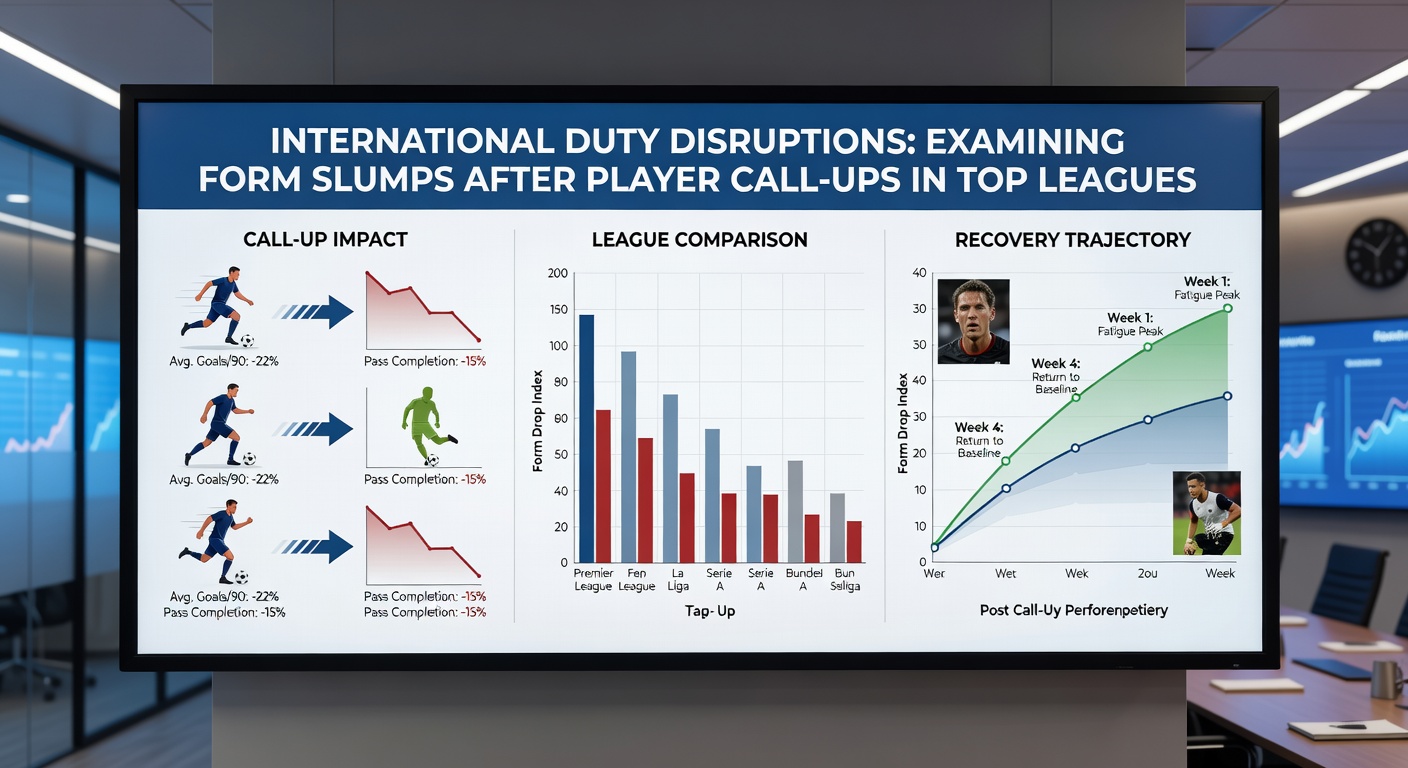
These patterns emerged consistently across the 2023 through 2025 campaigns, and they align with fixture lists that place matches on consecutive weekends without extended rest. May 2026 marks the next major international window after the domestic season concludes, and scheduling bodies have already flagged similar recovery challenges for clubs entering pre-season tours.
Position-Specific and Travel-Related Factors
Goalkeepers and centre-backs tend to show smaller deviations in key performance indicators compared with wingers and attacking midfielders, whose roles demand greater explosive movements and decision-making under fatigue. Reports from the European Club Association highlight that players based in northern Europe often face shorter recovery windows when returning from South American qualifiers, whereas intra-European call-ups allow more time for club staff to reintegrate athletes into training routines.
Case examples from the 2024-25 season include several Premier League sides that managed multiple long-haul returns and recorded measurable drops in high-press success rates during the first post-break weekend. La Liga clubs with large South American contingents experienced parallel trends, particularly when matches followed directly after Copa America or World Cup qualifiers.
Club Strategies and Scheduling Adjustments
Coaches have implemented targeted recovery protocols, including modified training loads and individualized nutrition plans, yet the underlying fixture calendar remains fixed. UEFA technical documents note that clubs with deeper squads rotate more effectively, while those relying on star players face greater challenges maintaining consistent output.
Academic reviews published by research groups in Canada and the Netherlands emphasize that sleep disruption from travel and changes in training environments contribute to the observed adjustments, and these factors compound when players feature in multiple internationals within a short window. Data from the 2025 Nations League cycle reinforced these observations without introducing new variables to the equation.
Conclusion
Performance records across Europe's leading leagues continue to reflect the influence of international duty on club form, with measurable shifts in key metrics appearing in the matches immediately after players return. Scheduling bodies and club medical teams monitor these patterns each season, and the approach to May 2026 will likely follow established protocols for managing post-call-up reintegration. Continued collection of positional and travel data will provide further clarity on how these disruptions evolve within the current calendar structure.