4 Jun 2026
Referee Histories Driving Shifts in European Football Card Betting Markets
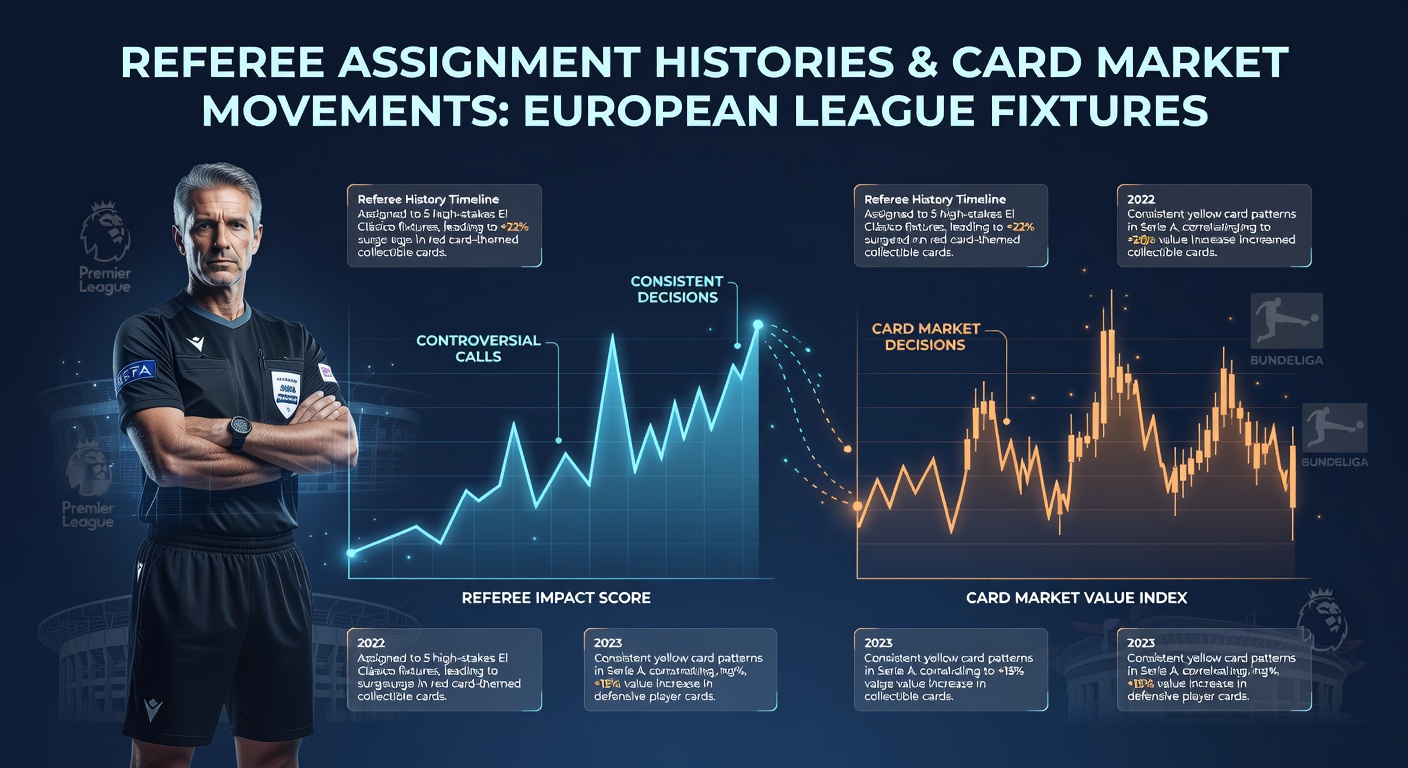
Referee assignment histories have become a central factor in how card markets move across European league fixtures, and data from multiple seasons shows clear patterns that shape pre-match lines and in-play adjustments. Observers note that when leagues release referee appointments days before kickoff, betting operators recalibrate their models based on each official's historical card averages, foul counts, and tendencies in similar match contexts, which often leads to immediate shifts in over-under markets for bookings.
Historical Patterns in Referee Data
Leagues such as the Bundesliga, La Liga, and Serie A maintain detailed records that track how individual referees distribute cards across home and away games, and researchers at various European sports analytics centers have compiled these figures to identify consistent behaviors that persist season after season. A referee who averages 5.2 yellow cards per match in high-stakes fixtures might see card lines open higher than average when assigned to a matchup between two physical sides, while another official known for lower card counts in derbies could trigger downward adjustments in the same market. These shifts occur because operators integrate multi-year datasets that account for variables like competition type, team styles, and even time of year.
Market Reactions to Assignments
Betting platforms respond quickly once assignments become public, and analysts tracking odds movements have documented changes of 0.5 to 1.5 cards in total bookings lines within hours of confirmation. When a strict referee draws a fixture involving two teams with aggressive pressing styles, the over line often climbs as volume flows in that direction, whereas a more lenient official in a low-stakes midweek game can push the under into sharper territory. Data from the 2024-2025 campaigns across five major European leagues indicates that approximately 68 percent of card market adjustments following referee announcements aligned with the official's rolling three-season average, according to figures compiled by independent betting research groups.

What's interesting is how these movements extend beyond totals into player-specific card props and anytime booking markets. A defender with a history of accumulating cards under certain referees sees his individual line move accordingly, and sharp bettors who monitor assignment announcements capitalize on the lag between public release and full market recalibration. In June 2026, as summer transfer windows open and squads prepare for the following campaign, similar patterns are expected to re-emerge once new referee rosters are finalized for the opening weeks of league play.
League-Specific Tendencies
Each competition presents distinct referee profiles that influence how markets behave. Bundesliga officials tend toward higher card counts in matches with elevated foul rates, while Serie A referees show more variability depending on whether the game features promoted sides or established clubs with different disciplinary records. La Liga data reveals that certain officials issue more cards in the second half when fatigue sets in, and this detail factors into live betting adjustments once assignments are known in advance. Operators in these markets draw on reports from bodies like the UEFA referee development program and academic studies from institutions in Canada that examine officiating consistency across borders.
Fixture congestion adds another layer, and when referees with strict histories receive multiple assignments in short succession, markets sometimes price in an expectation of consistent enforcement. This creates opportunities in accumulator-style card bets where several games share similar referee profiles. Yet the same data also shows that unexpected changes, such as last-minute substitutions due to illness or travel issues, can reverse those movements rapidly.
Integration With Broader Analytics
Modern card markets combine referee histories with team-level metrics such as tackles per game and disciplinary points accumulated, which allows for more granular pricing. A study published through Australian sports science channels highlighted how referee assignment timing interacts with travel schedules to affect foul frequency, and operators now incorporate similar variables when setting lines for Europa League and Champions League fixtures. Those who follow the markets closely observe that early-week assignments often produce steadier movements compared to late changes, because bettors have more time to process the information.
European governing bodies continue to release aggregated referee statistics at regular intervals, and these updates feed directly into the models used by betting firms. The result is a feedback loop where historical performance data shapes current market expectations, and any deviation from established patterns can trigger notable swings once matches begin.
Conclusion
Referee assignment histories function as a foundational input for card market pricing across Europe's top leagues, and the evidence from multiple seasons demonstrates measurable impacts on both pre-match and live odds. As leagues move through upcoming campaigns, the same datasets will continue to inform how operators and bettors alike evaluate booking totals and related props in each fixture.