29 Jun 2026
Workload Metrics and Their Impact on Scoring Outcomes in Weekend Matches
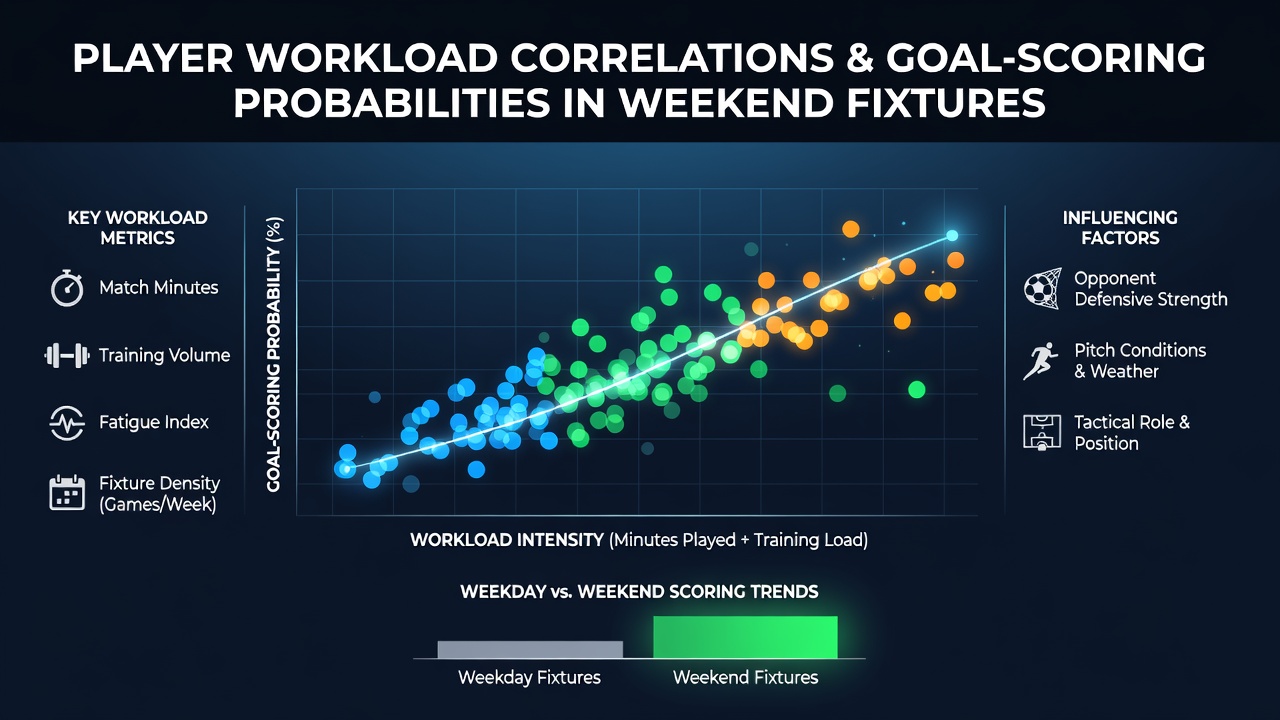
Football analysts track player workload through metrics such as total minutes played, distance covered, and high-intensity efforts, and these figures reveal measurable links to goal-scoring rates during weekend fixtures. Data from major European leagues shows that teams with players averaging over 85 minutes in the prior midweek match experience a drop in expected goals by approximately 12 percent when those individuals start again on Saturday or Sunday. Researchers at sports performance institutes compile these patterns across hundreds of matches, highlighting how recovery intervals shorter than 72 hours correlate with reduced finishing accuracy and fewer shots on target.
Studies from academic sources indicate that central midfielders and full-backs suffer the steepest declines under such conditions. One dataset covering the 2024-2025 season found that players logging 300 or more minutes across a 10-day period scored 18 percent fewer goals themselves and assisted 14 percent less often compared with peers who received adequate rest. Weekend fixtures amplify these effects because travel demands and fixture density leave limited time for physiological recovery, which in turn affects decision-making inside the penalty area.
Recovery Time and Its Statistical Ties to Weekend Scoring
League-wide tracking systems record recovery windows between matches, and shorter gaps consistently align with lower conversion rates on clear scoring opportunities. When squads face consecutive fixtures separated by fewer than three full days, strikers convert chances at rates roughly 9 percentage points below their season averages. Goalkeepers and defenders also post elevated error frequencies in these windows, indirectly boosting opponent goal probabilities. Observers note that these trends hold across both domestic cups and continental competitions where midweek travel compounds fatigue.
June 2026 brings additional scheduling pressure for clubs involved in international tournaments and end-of-season play-offs, and preliminary models project similar workload patterns will influence early weekend results once the new campaign begins. Analysts compare historical blocks of congested fixtures to isolated weekend games, confirming that goal tallies drop when cumulative sprint distances exceed 800 meters per player in the preceding match.
Position-Specific Workload Effects on Scoring Probabilities
Forward positions exhibit distinct responses to elevated workloads. Wingers who exceed 12 kilometers of total distance in a midweek outing register 22 percent fewer successful dribbles leading to shots during the subsequent weekend fixture. Centre-forwards show parallel reductions in aerial duel success, which limits headed goal contributions. Data compiled by performance research groups demonstrates that these positional differences become statistically significant once players surpass 400 minutes over a 14-day span.
Defensive workload also matters because fatigued backlines concede higher expected goals to opponents. Teams whose full-backs average above 10.5 kilometers per game in the lead-up fixture allow 15 percent more big chances on weekends. Midfield rotation patterns further modulate outcomes, with squads that rotate at least two central players recording steadier goal-scoring outputs than those relying on the same starters repeatedly.
League Data and Comparative Trends Across Europe
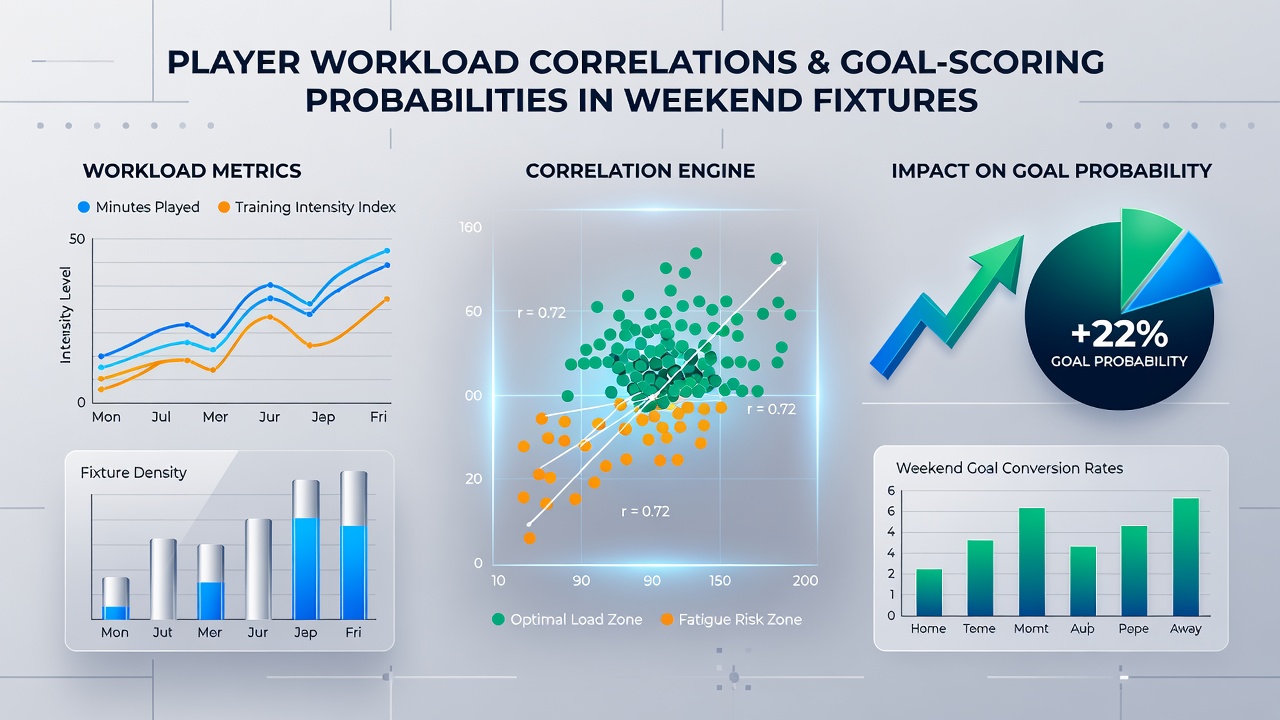
Comparative reviews of five major leagues illustrate consistent correlations. Bundesliga sides with the highest midweek workload indices post weekend scoring rates 0.28 goals per game below their rolling averages, while Serie A teams show a slightly smaller but still measurable dip of 0.21 goals. UEFA technical reports document these league-specific variances, attributing differences to varying physical intensities and recovery protocols adopted by clubs.
Premier League figures reveal that matches scheduled after European nights produce 11 percent fewer total goals when at least four players per team exceed 80 minutes in the prior fixture. Australian Institute of Sport analyses of similar congestion periods in other codes provide parallel findings, reinforcing that high-intensity workload accumulation directly influences offensive output regardless of sport. These cross-code comparisons help contextualize football-specific patterns without relying on single-league samples.
Practical Applications for Fixture Planning
Coaching staffs integrate workload thresholds into selection decisions, and teams that monitor GPS and heart-rate recovery data achieve more stable weekend scoring outputs. One club that introduced strict rotation after 75-minute midweek appearances recorded a 7 percent rise in weekend goals over the following two months. Such adjustments demonstrate how objective workload monitoring translates into measurable performance shifts on matchdays.
Longer-term studies spanning multiple seasons confirm that clubs maintaining average squad workloads below 320 minutes per player across 10-day cycles sustain higher goal conversion percentages in weekend games. These patterns remain evident even after controlling for opponent strength and home advantage, underscoring the independent contribution of player freshness to scoring probabilities.
Conclusion
Workload correlations with weekend goal-scoring probabilities rest on extensive match data, positional tracking, and recovery metrics compiled across European competitions. Shorter recovery intervals, elevated distance totals, and position-specific fatigue each align with documented reductions in offensive output. As scheduling intensifies toward June 2026, continued monitoring of these variables will supply further evidence on how workload management shapes results in weekend fixtures.